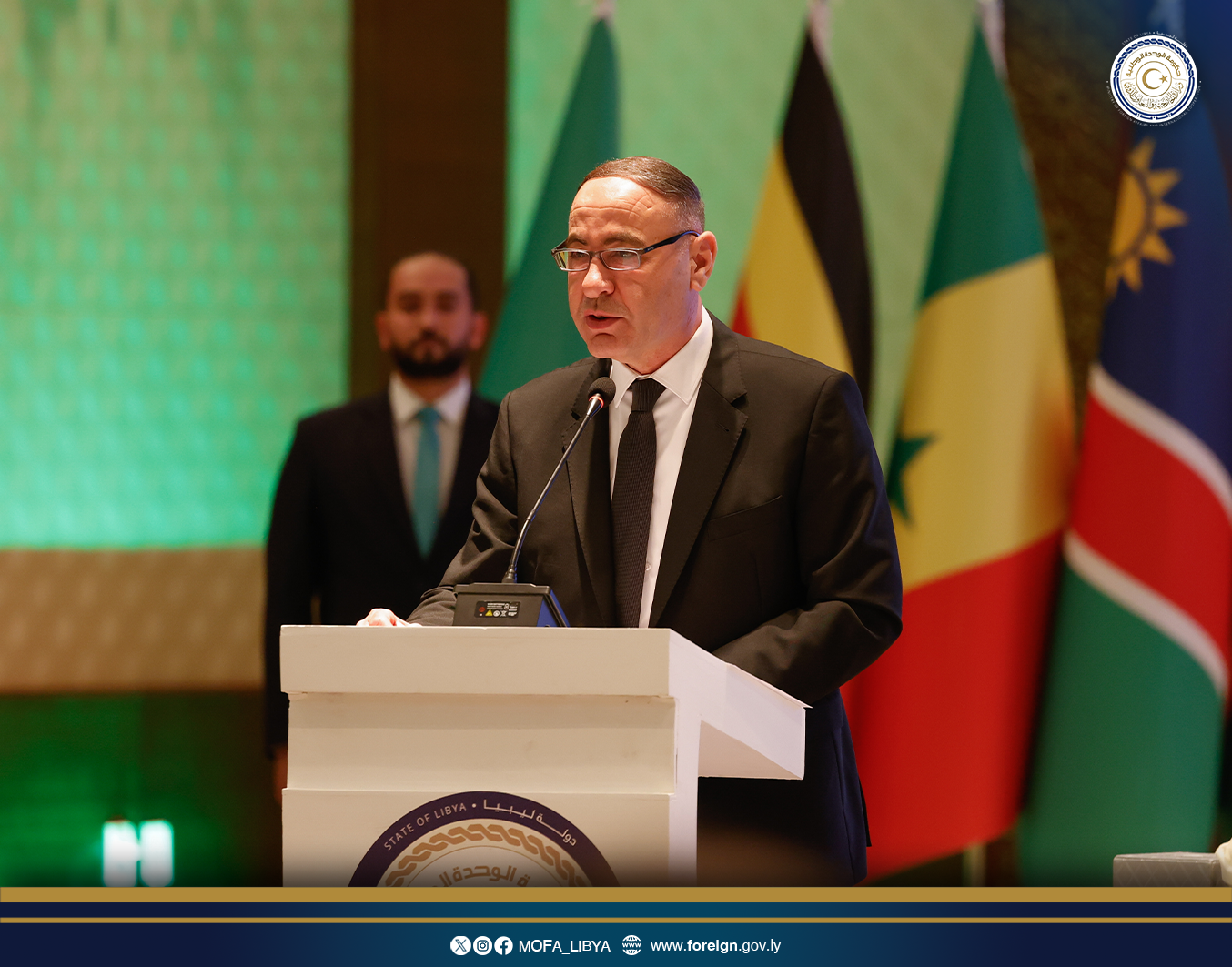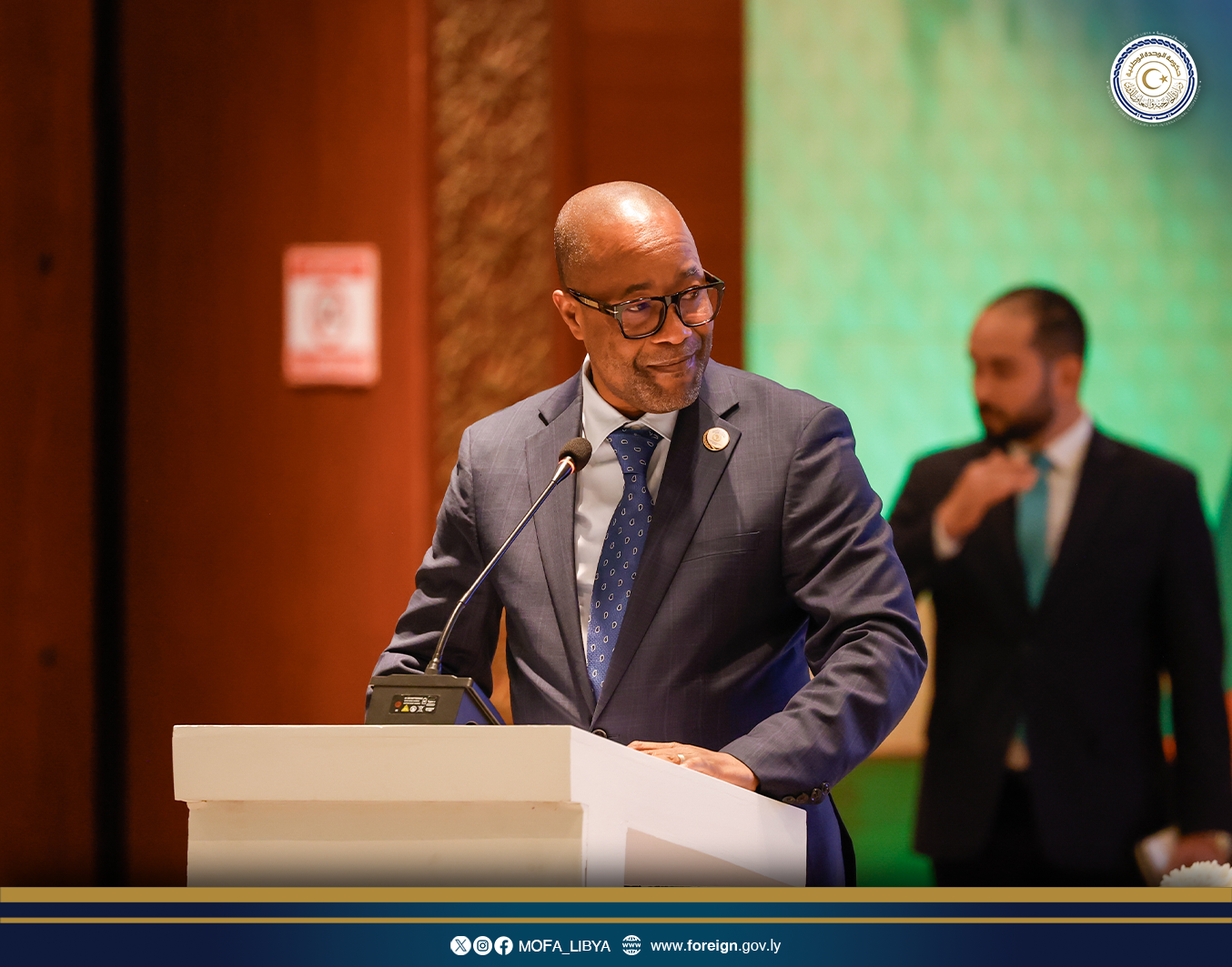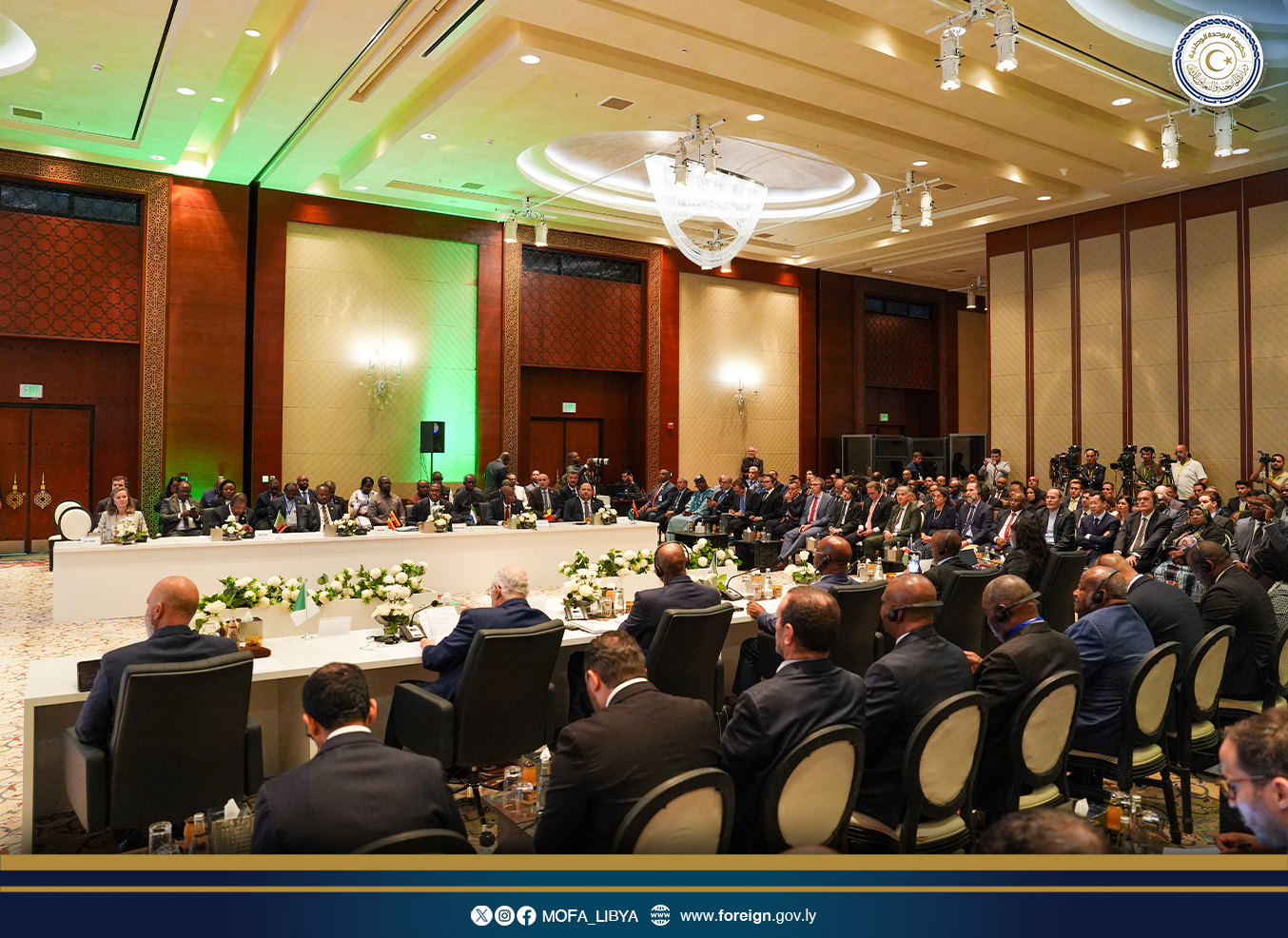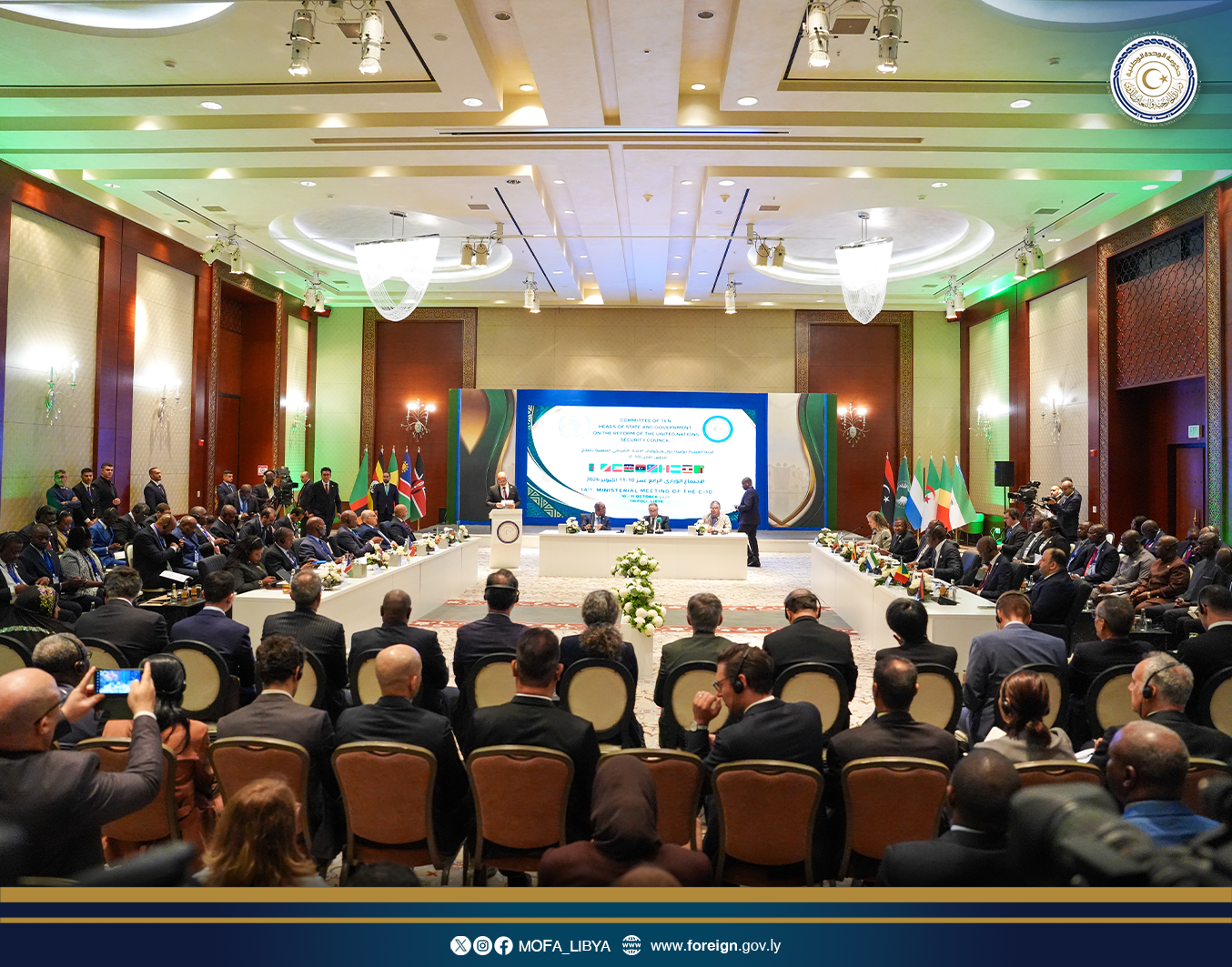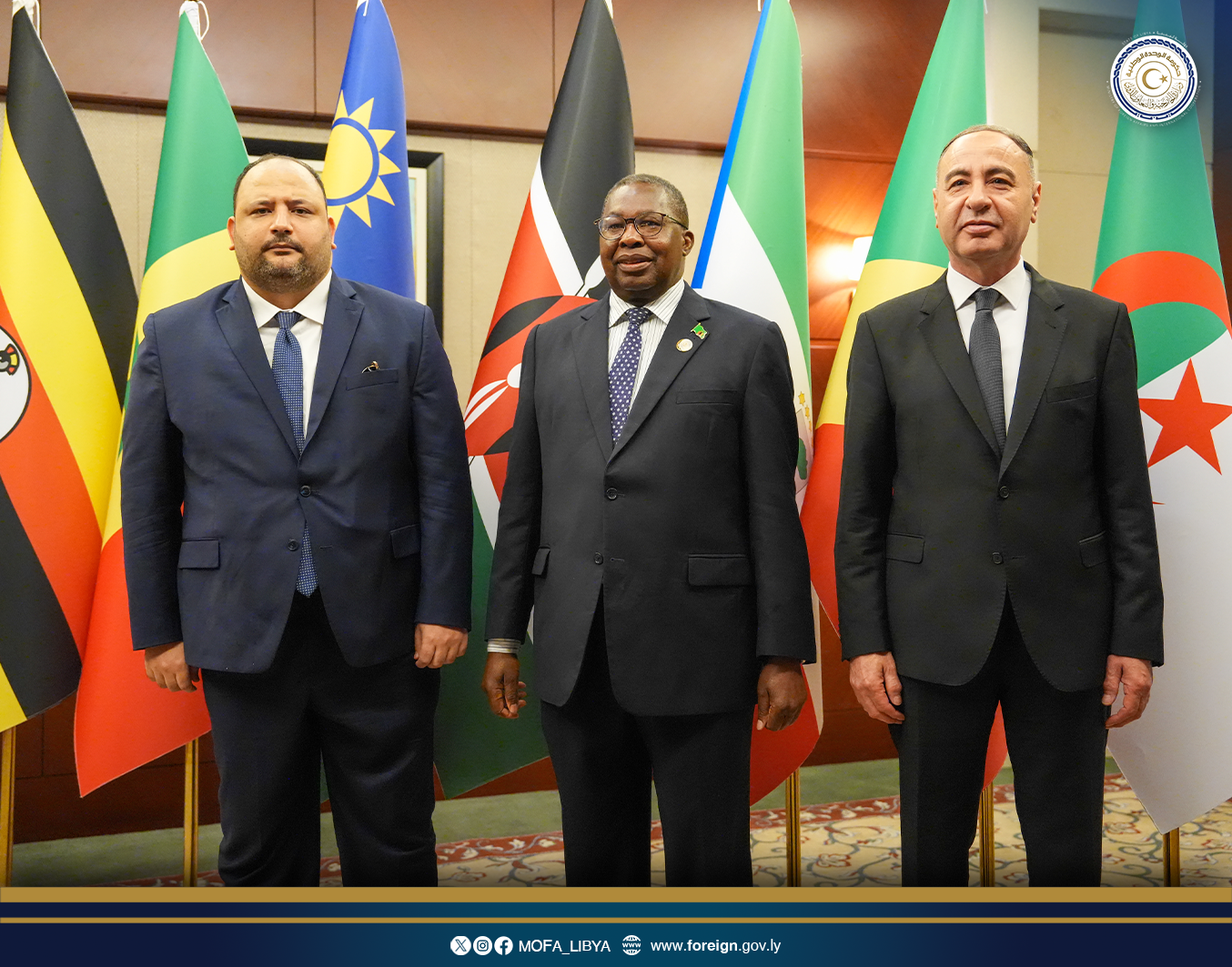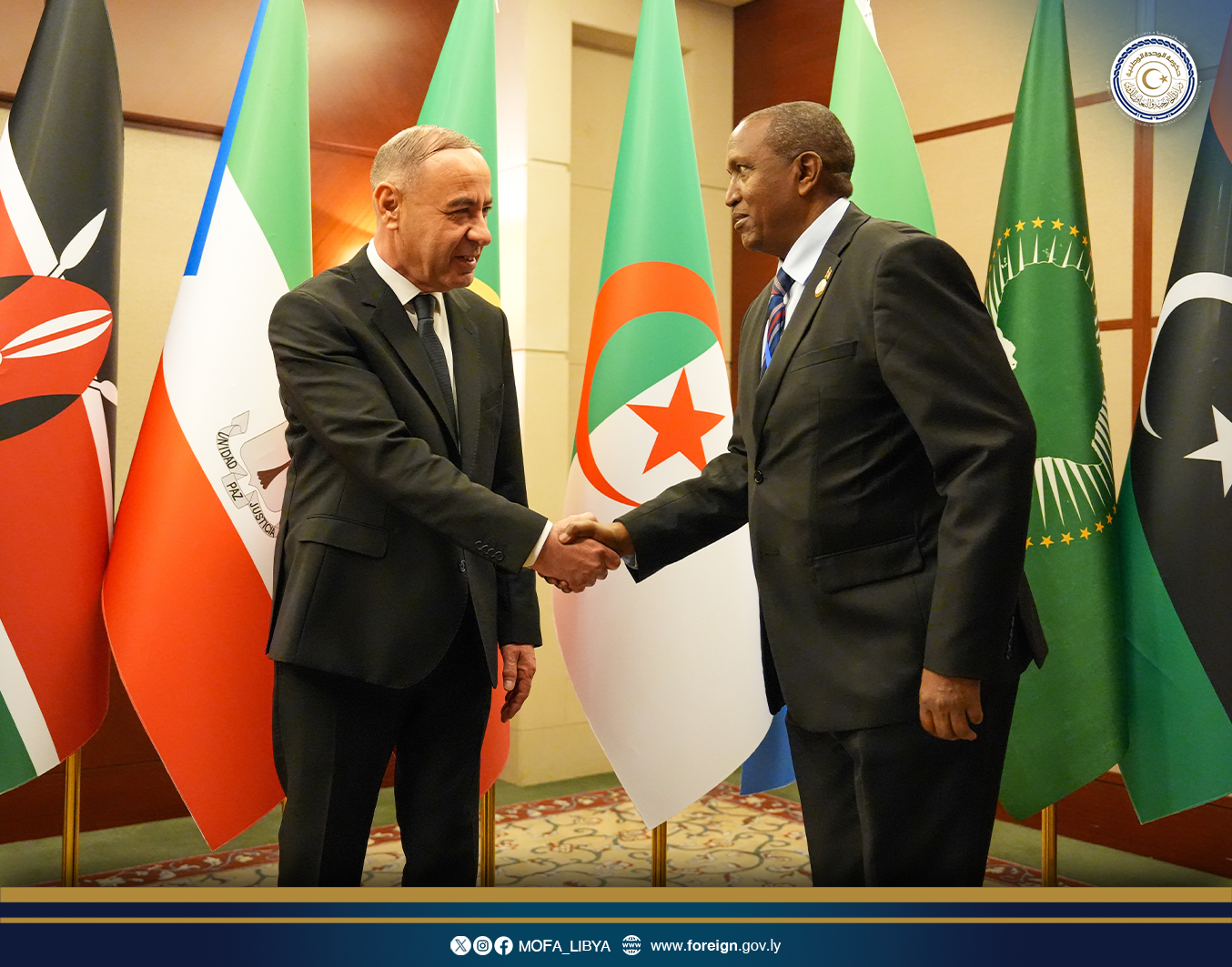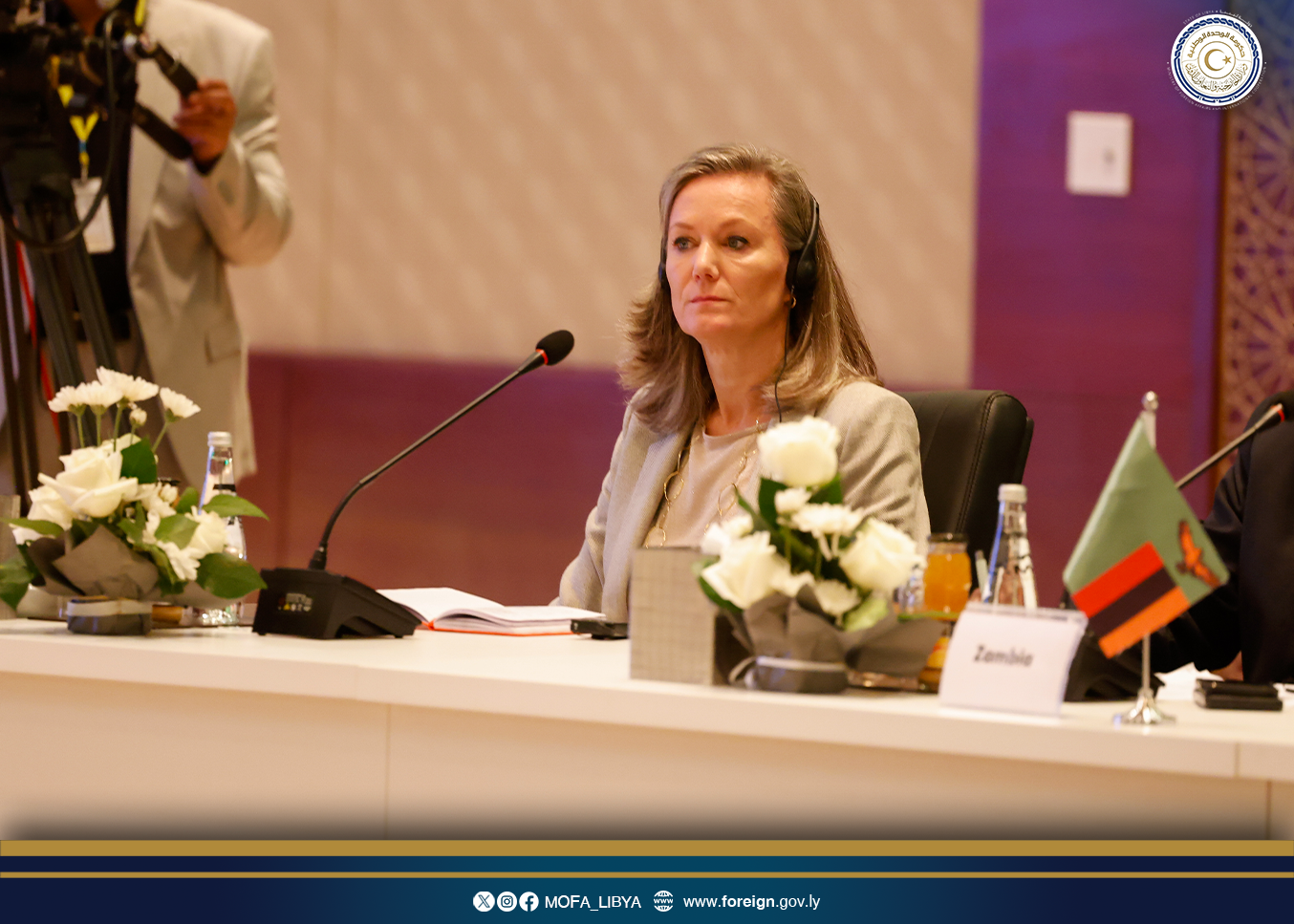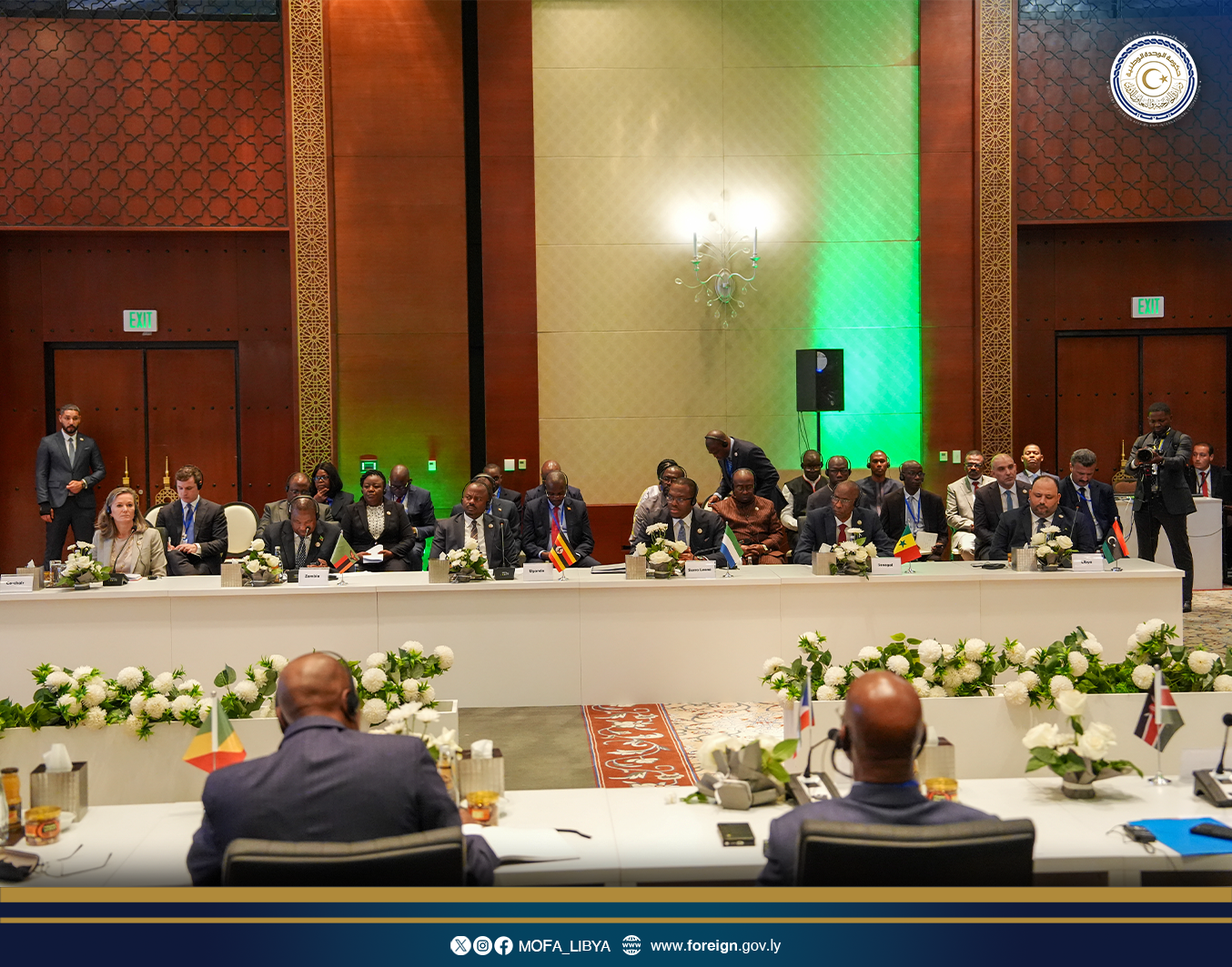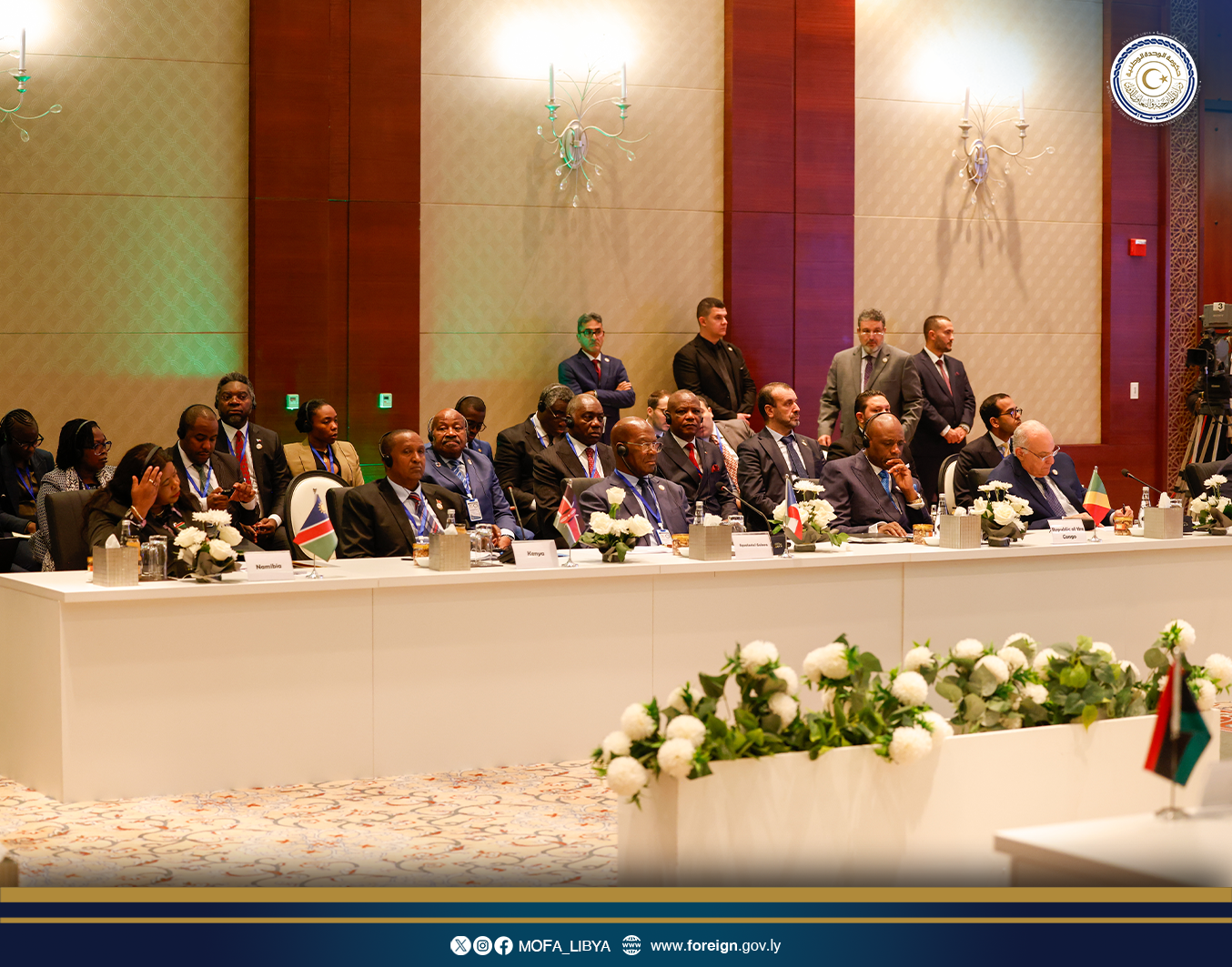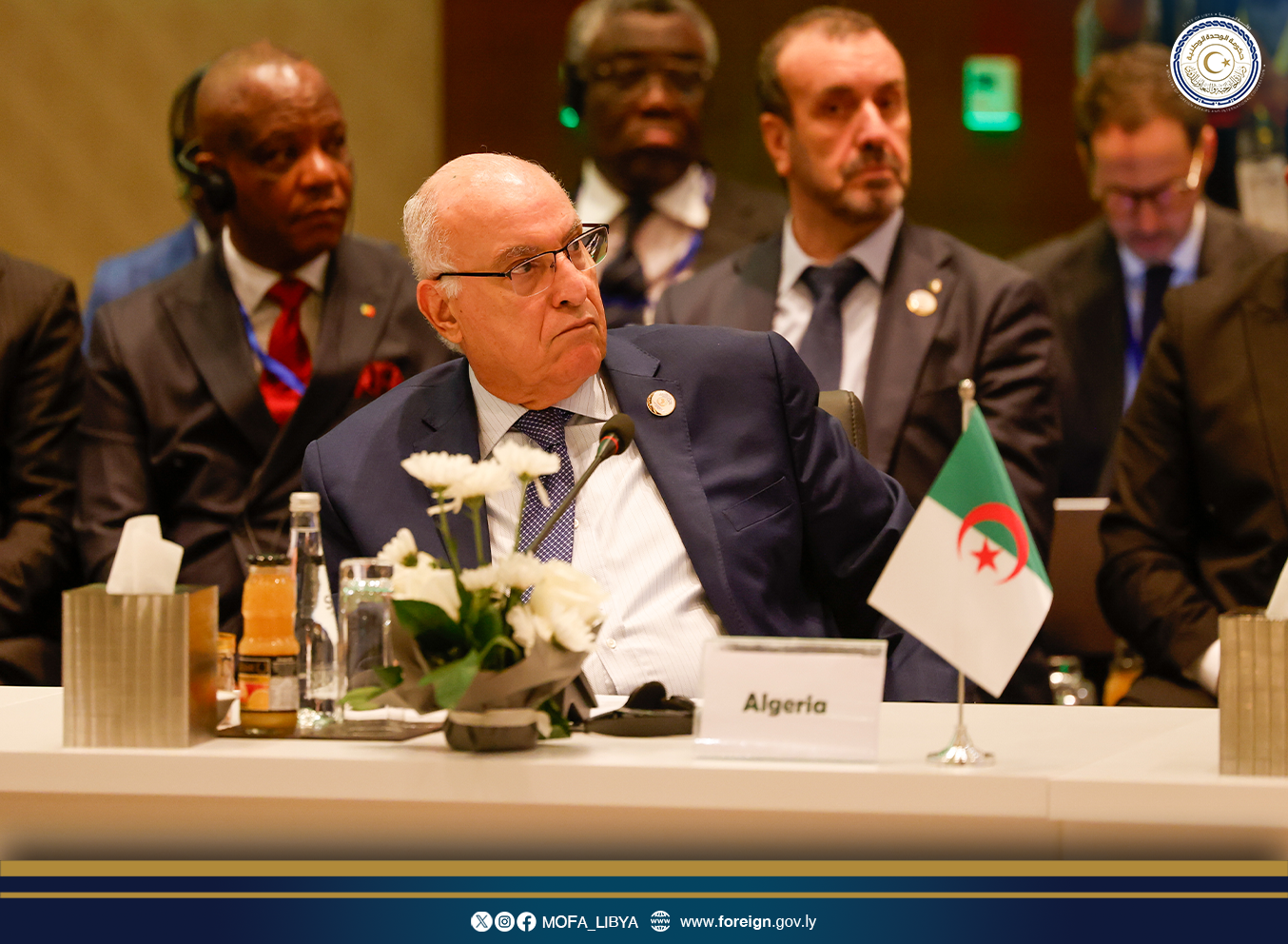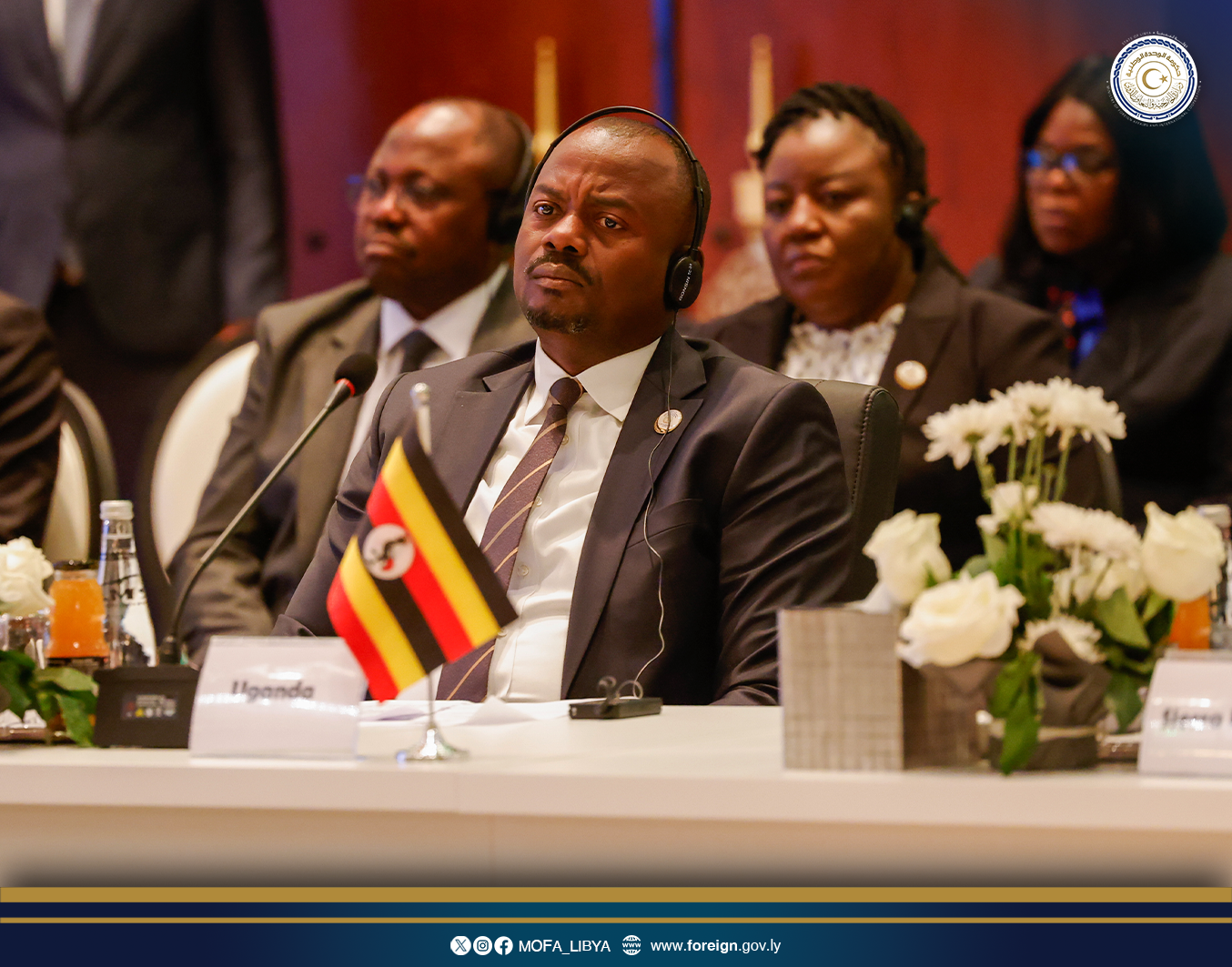
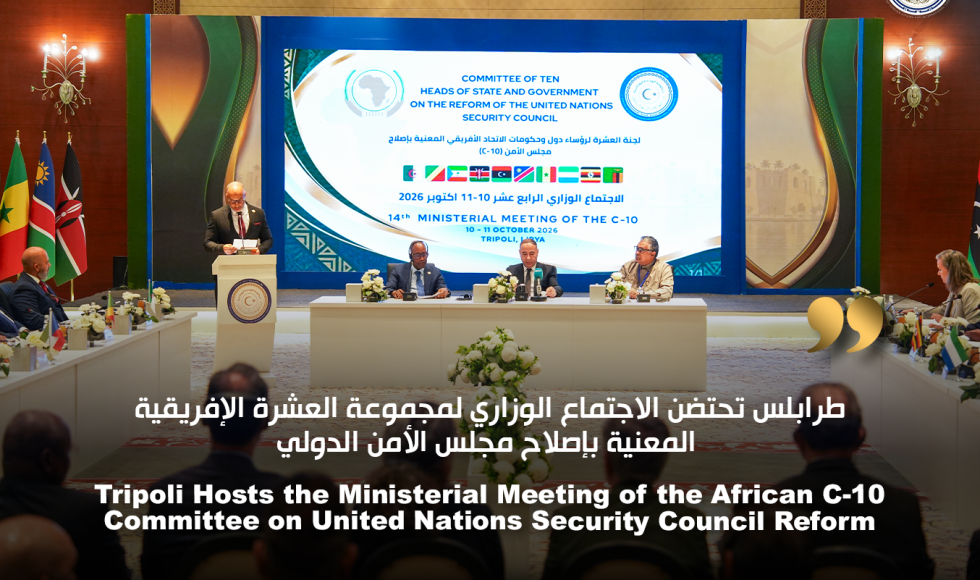
انطلقت اليوم الأحد الموافق 2026.10.11، في العاصمة طرابلس، أعمال الاجتماع الوزاري الرابع عشر لمجموعة العشرة الإفريقية (C10)، المعنية بإصلاح مجلس الأمن الدولي، بمشاركة ممثلي الدول الأعضاء، في إطار الجهود الإفريقية الرامية إلى توحيد المواقف وتعزيز الحضور الإفريقي في منظومة الأمم المتحدة، بالتزامن مع مساعي ليبيا لنيل عضوية مجلس الأمن الدولي.
وترأس الاجتماع معالي السيد الطاهر الباعور، المكلف بتسيير شؤون وزارة الخارجية والتعاون الدولي، إلى جانب معالي السيد محمد رحمان سواراي، وزير خارجية جمهورية سيراليون ومنسق لجنة العشرة، وبحضور معالي السيد فتح الله الزني، وزير الدولة بوزارة الخارجية والتعاون الدولي للشؤون الإفريقية؛ والسيد علاء الدين التاجوري، مدير إدارة الشؤون الإفريقية؛ والسيد سفيان بلخير، مدير إدارة المنظمات الدولية؛ والسيد محمد آدم لينو، سفير ليبيا في إثيوبيا والمندوب الدائم لدى الاتحاد الإفريقي.
كما شارك المندوبان الدائمان لكلّ من دولة الكويت ومملكة هولندا لدى الأمم المتحدة، بصفتهما الرئيسين المشاركين للمفاوضات الحكومية الدولية المعنية بعملية إصلاح مجلس الأمن الدولي.
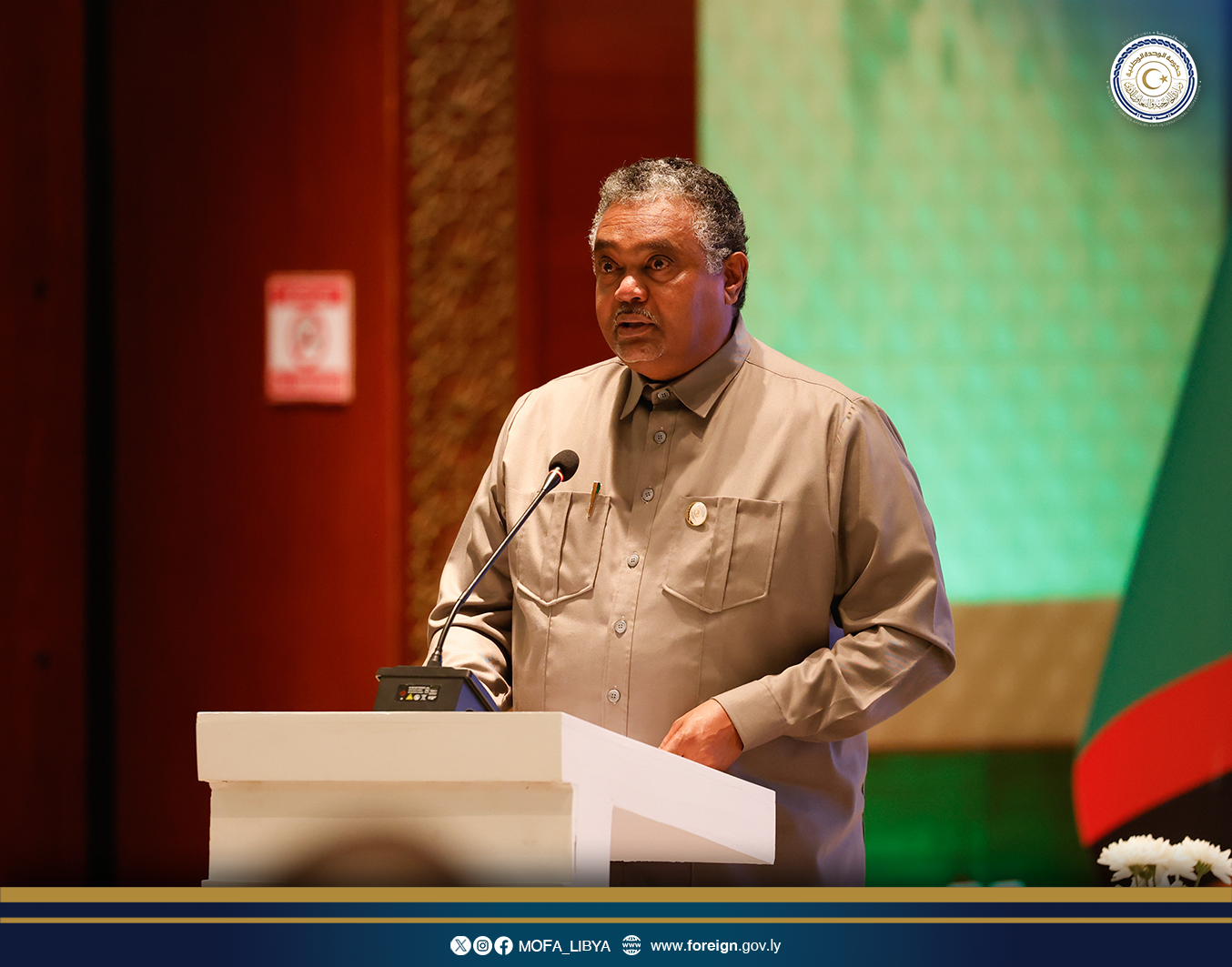
وفي كلمته خلال الاجتماع، رحب الباعور بالوفود المشاركة، معربا عن اعتزاز ليبيا باستضافة الاجتماع، ومؤكدا أن انعقاده في طرابلس يحمل دلالة تتجاوز البعد البروتوكولي، ويعكس عودة ليبيا المتجددة إلى محيطها الإفريقي ودورها في دعم قضايا القارة والعمل الإفريقي المشترك.
وأشار إلى الدور التاريخي لليبيا في احتضان قمة الاتحاد الإفريقي بمدينة سرت عام 2009، التي صدر عنها إعلان سرت بشأن إصلاح الأمم المتحدة، مؤكدًا أن اجتماع طرابلس يمثل فرصة لإعطاء هذا المسار زخما سياسيا وعمليا جديدا، والانتقال من التأكيد على المبادئ إلى تحقيق تقدم ملموس.
وتضم المجموعة عشر دول إفريقية هي؛ ليبيا، والجزائر، وجمهورية الكونغو، وغينيا الاستوائية، وكينيا، وناميبيا، والسنغال، وسيراليون، وأوغندا، وزامبيا، وتتولى سيراليون تنسيق أعمالها.
وتأسست مجموعة العشرة عام 2005 في إطار جهود الاتحاد الإفريقي للدفاع عن الموقف الإفريقي المشترك بشأن إصلاح الأمم المتحدة، استنادًا إلى (إعلان سرت) و(توافق إيزولويني)، اللذين يشكلان المرجعية الأساسية للمطالب الإفريقية المتعلقة بإعادة هيكلة مجلس الأمن الدولي.
وتتمثل المهمة الرئيسية للمجموعة في الدفع نحو إصلاح مجلس الأمن بما يضمن تمثيلا إفريقيا عادلا يتناسب مع مكانة القارة ودورها في القضايا الدولية، ولا سيما ملفات السلم والأمن الدوليين.
وأكد الباعور تمسك ليبيا بالموقف الإفريقي الموحد، القائم على حصول القارة على مقعدين دائمين في مجلس الأمن بكامل الصلاحيات، بما فيها حق النقض ما دام قائما، إلى جانب مقعدين إضافيين غير دائمين.
وقال إن هذا المطلب ليس امتيازا تطلبه إفريقيا، بل استحقاق ينسجم مع مبادئ العدالة والمساواة في السيادة، مشددا على ضرورة أن تعكس مؤسسات النظام الدولي واقع العالم المعاصر، لا توازنات حقبة مضت.
وتعمل المجموعة على تنسيق المواقف الإفريقية في المفاوضات الحكومية الدولية، وإجراء المشاورات مع الدول والتكتلات الدولية، وحشد الدعم لمطالب القارة، ومتابعة التطورات المتعلقة بإصلاح مجلس الأمن، ورفع التقارير والتوصيات إلى قمة الاتحاد الإفريقي.
وشدد الباعور على أن قوة الموقف الإفريقي تستند إلى وحدة الدول وقدرتها على تحويل توافقها إلى تحرك سياسي منظم ومؤثر، داعيًا إلى تعزيز التنسيق بين العواصم والبعثات الدبلوماسية في نيويورك وأديس أبابا، وتكثيف التواصل مع الدول دائمة العضوية في مجلس الأمن والأطراف المعنية بالمفاوضات.
وأكد ضرورة الانتقال من التأييد السياسي العام للمطالب الإفريقية إلى بناء تفاهمات واضحة مع الدول والمجموعات الداعمة لها، والخروج بنتائج عملية وخطوات محددة قابلة للمتابعة.
وفي هذا الإطار، اقترحت ليبيا وضع خارطة تحرك مشتركة للجنة العشرة، وتكليف سفراء دولها بتنفيذ برنامج تواصل منظم مع الدول دائمة العضوية ومجموعات الإصلاح والدول المؤثرة، إلى جانب إنشاء آلية متابعة دورية لقياس التقدم المحرز، ورفع تقرير سياسي وتوصيات محددة إلى القمة الإفريقية المقبلة.
وتطرق الباعور إلى الأزمات والحروب المتلاحقة، معتبرًا أنها كشفت القيود التي يفرضها الهيكل الحالي لمجلس الأمن، وما قد ينجم عن الانقسام بين أعضائه الدائمين من تأخر في الاستجابة للأزمات وتفاوت في التعامل مع النزاعات والقضايا الإنسانية.
وأكد أن إصلاح المجلس لم يعد مسألة مؤسسية مؤجلة، بل أصبح ضرورة سياسية وأخلاقية ترتبط بمصداقية الأمم المتحدة وقدرتها على حفظ السلم والأمن الدوليين، مشددا على ضرورة استخدام حق النقض بمسؤولية وضبط النفس، وألا يتحول إلى أداة تعطل عمل المجلس أو ترسخ ازدواجية المعايير.
ويناقش الاجتماع سبل تعزيز التنسيق بين الدول الأعضاء، وتحديد الخطوات الدبلوماسية المقبلة لدعم المطالب الإفريقية، إلى جانب بحث المخرجات وآليات متابعتها، بما يسهم في تعزيز دور الاتحاد الإفريقي في المفاوضات الدولية.
وتكتسب استضافة ليبيا للاجتماع أهمية خاصة في ظل حرصها على الاضطلاع بدورها في محيطها الإفريقي، ودعم الموقف الموحد وتعزيز التضامن بين دول القارة، فضلا عن ارتباطها التاريخي بملف إصلاح الأمم المتحدة.
وأكد الباعور في ختام كلمته أن ليبيا ستظل داعمة لأعمال لجنة العشرة ومساهمة في كل جهد يعزز حضور إفريقيا داخل منظومة الأمم المتحدة، مشددا على أن إصلاح مجلس الأمن لا يكتمل دون إفريقيا، وأن معالجة الظلم التاريخي الواقع على القارة مسؤولية جماعية وشرط أساسي لتعزيز شرعية النظام الدولي وفاعليته.
واختتم بالتأكيد على أهمية الربط بين وحدة الموقف وقوة التحرك، والانتقال من إدارة مسار الإصلاح إلى التأثير الفعلي في اتجاهه ونتائجه، معربا عن ثقته بأن مخرجات اجتماع طرابلس ستدعم الجهود الرامية إلى تحقيق تمثيل عادل ودائم للقارة في مجلس الأمن الدولي.
وينتظر أن تسهم نتائج الاجتماع في تحديد مسارات التحرك الإفريقي خلال المرحلة المقبلة، وتعزيز التنسيق بين الدول الأعضاء دفاعًا عن حق القارة في تمثيل عادل وفاعل داخل مجلس الأمن الدولي، بالتوازي مع مساعي ليبيا لتعزيز حضورها الدبلوماسي ومشاركتها في المؤسسات الدولية.
The 14th Ministerial Meeting of the African C-10 Committee on United Nations Security Council Reform commenced today, Sunday, 11 October 2026, in the Libyan capital, Tripoli, with the participation of representatives of the member states. The meeting forms part of Africa’s efforts to unify its positions and strengthen its presence within the United Nations system, coinciding with Libya’s bid to secure membership of the UN Security Council.
The meeting was chaired by H.E. Mr. El- Taher El-Baour, Acting Minister of Foreign Affairs and International Cooperation, alongside H.E. Mr. Mohamed Rahman Swaray, Minister of Foreign Affairs of the Republic of Sierra Leone and Coordinator of the C-10 Committee. Also in attendance were H.E. Mr. Fathallah Al-Zuni, Minister of State for African Affairs at the Ministry of Foreign Affairs and International Cooperation; Mr. Alaa Al-Tajouri, Director of the African Affairs Department; Mr. Sufian Belkhair, Director of the International Organizations Department; and Mr. Mohamed Adam Leno, Libya’s Ambassador to Ethiopia and Permanent Representative to the African Union.
The Permanent Representatives of the State of Kuwait and the Kingdom of the Netherlands to the United Nations also participated in the meeting in their capacity as Co-Chairs of the Intergovernmental Negotiations on the reform of the UN Security Council.
In his address to the meeting, El-Baour welcomed the participating delegations and expressed Libya’s pride in hosting the gathering. He emphasized that holding the meeting in Tripoli carries significance beyond the protocol dimension, reflecting Libya’s renewed engagement with its African surroundings and its role in supporting the continent’s causes and joint African action.
He highlighted Libya’s historic role in hosting the African Union Summit in the city of Sirte in 2009, during which the Sirte Declaration on UN reform was issued. He stressed that the Tripoli meeting presents an opportunity to inject fresh political and practical momentum into this process and move from reaffirming principles to achieving tangible progress.
The C-10 comprises ten African countries: Libya, Algeria, the Republic of the Congo, Equatorial Guinea, Kenya, Namibia, Senegal, Sierra Leone, Uganda and Zambia. Sierra Leone coordinates the committee’s work.
Established in 2005 as part of the African Union’s efforts to defend a common African position on UN reform, the C-10 draws on the Sirte Declaration and the Ezulwini Consensus, which constitute the principal reference frameworks for Africa’s demands concerning the restructuring of the UN Security Council.
The committee’s primary mission is to advance Security Council reform in a manner that ensures fair African representation, commensurate with the continent’s standing and role in international affairs, particularly in matters of international peace and security.
El-Baour reaffirmed Libya’s commitment to the common African position, which calls for the continent to be allocated two permanent seats on the Security Council with full prerogatives, including the right of veto for as long as that right remains in existence, alongside two additional non-permanent seats.
He stated that this demand is not a privilege sought by Africa, but rather an entitlement consistent with the principles of justice and sovereign equality. He underscored the need for the institutions of the international system to reflect the realities of the contemporary world rather than the balance of power of a bygone era.
The committee works to coordinate African positions in intergovernmental negotiations, conduct consultations with countries and international blocs, mobilize support for the continent’s demands, monitor developments related to Security Council reform, and submit reports and recommendations to African Union summits.
El-Baour stressed that the strength of the African position rests on the unity of its countries and their ability to translate consensus into organized and effective political action. He called for stronger coordination between national capitals and diplomatic missions in New York and Addis Ababa, as well as intensified engagement with the permanent members of the Security Council and other parties involved in the negotiations.
He also emphasized the need to move beyond general political support for Africa’s demands towards building clear understandings with supportive countries and groups, and achieving practical outcomes and specific, measurable steps that can be followed up.
In this context, Libya proposed developing a joint action roadmap for the C-10, tasking the ambassadors of its member states with implementing a structured diplomatic outreach programme targeting the permanent members of the Security Council, reform groups and influential countries. The proposal also included establishing a regular follow-up mechanism to assess progress and submitting a political report and specific recommendations to the next African Union summit.
El-Baour addressed the successive crises and wars around the world, noting that they had exposed the limitations imposed by the current structure of the Security Council. He pointed out that divisions among its permanent members can delay responses to crises and lead to unequal treatment of conflicts and humanitarian issues.
He affirmed that Security Council reform is no longer an institutional matter that can be postponed, but has become a political and moral necessity linked to the credibility of the United Nations and its ability to maintain international peace and security. He stressed the importance of exercising the veto responsibly and with restraint, ensuring that it does not become a tool for obstructing the Council’s work or perpetuating double standards.
The meeting is discussing ways to strengthen coordination among member states, identify the next diplomatic steps to advance Africa’s demands, and examine the expected outcomes and mechanisms for following up on them, with a view to enhancing the African Union’s role in international negotiations.
Libya’s hosting of the meeting is particularly significant in light of its commitment to fulfilling its role within the African community, supporting a unified position and strengthening solidarity among the continent’s countries, as well as its longstanding engagement with the issue of UN reform.
At the conclusion of his address, El-Baour reaffirmed that Libya would continue to support the work of the C-10 and contribute to every effort aimed at strengthening Africa’s presence within the United Nations system. He stressed that Security Council reform cannot be complete without Africa, and that addressing the historical injustice suffered by the continent is a collective responsibility and an essential condition for strengthening the legitimacy and effectiveness of the international system.
He concluded by emphasizing the importance of linking unity of position with effective action and moving from managing the reform process to exerting a tangible influence on its direction and outcomes. He expressed confidence that the outcomes of the Tripoli meeting would support efforts to secure fair and permanent representation for the continent on the UN Security Council.
The meeting’s outcomes are expected to help define the course of African action in the coming period and strengthen coordination among member states in defending the continent’s right to fair and effective representation on the UN Security Council, alongside Libya’s efforts to enhance its diplomatic presence and participation in international institutions.