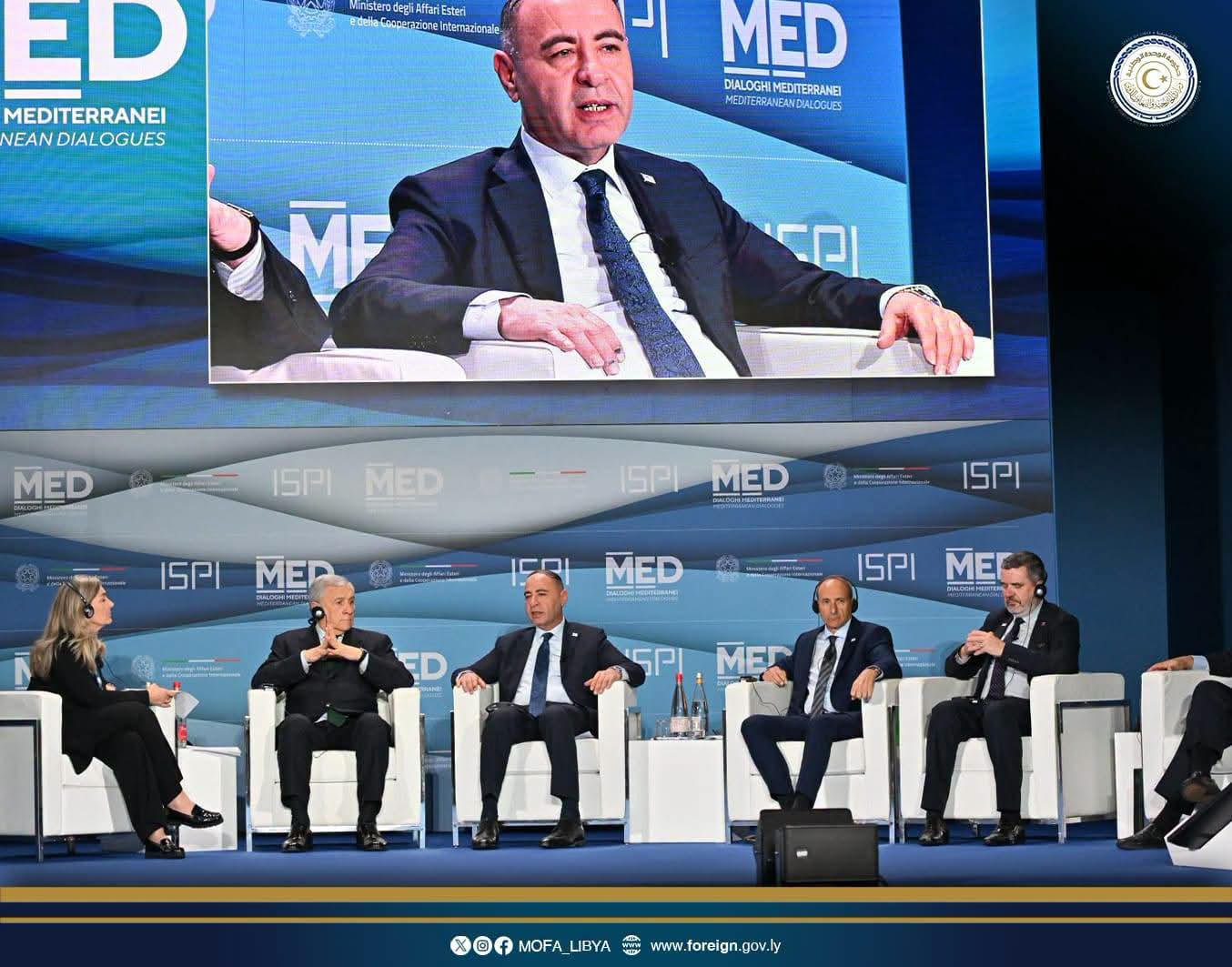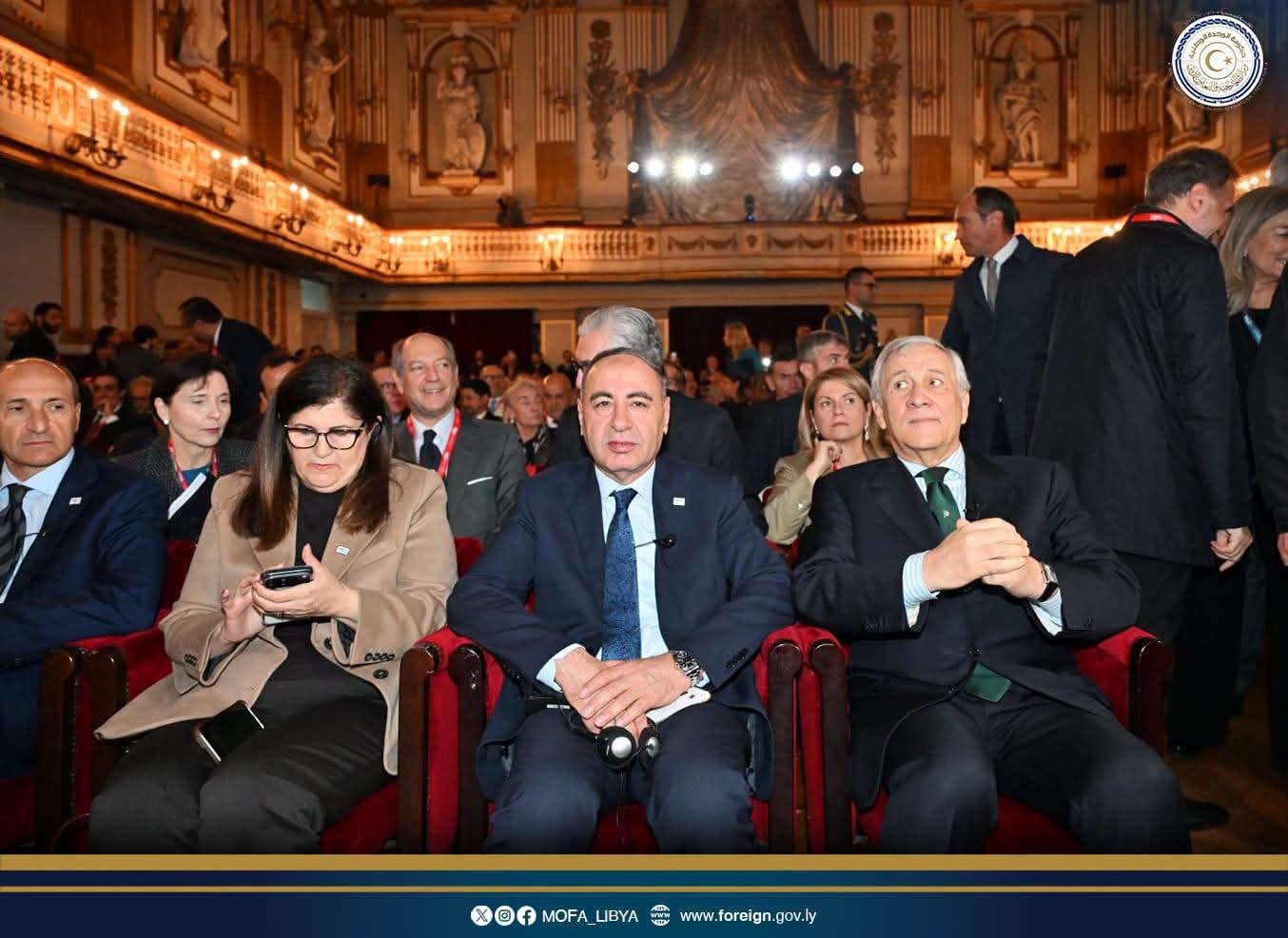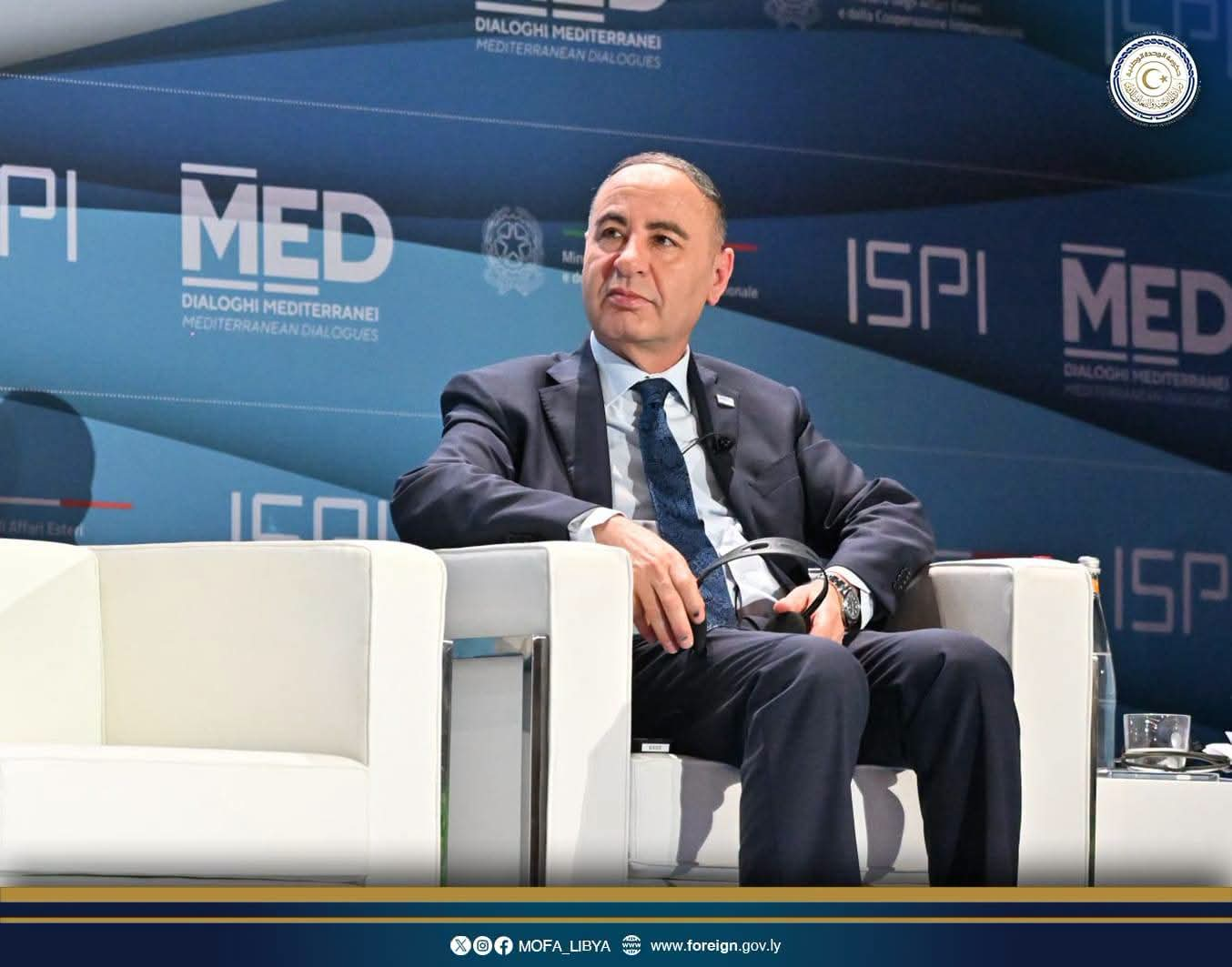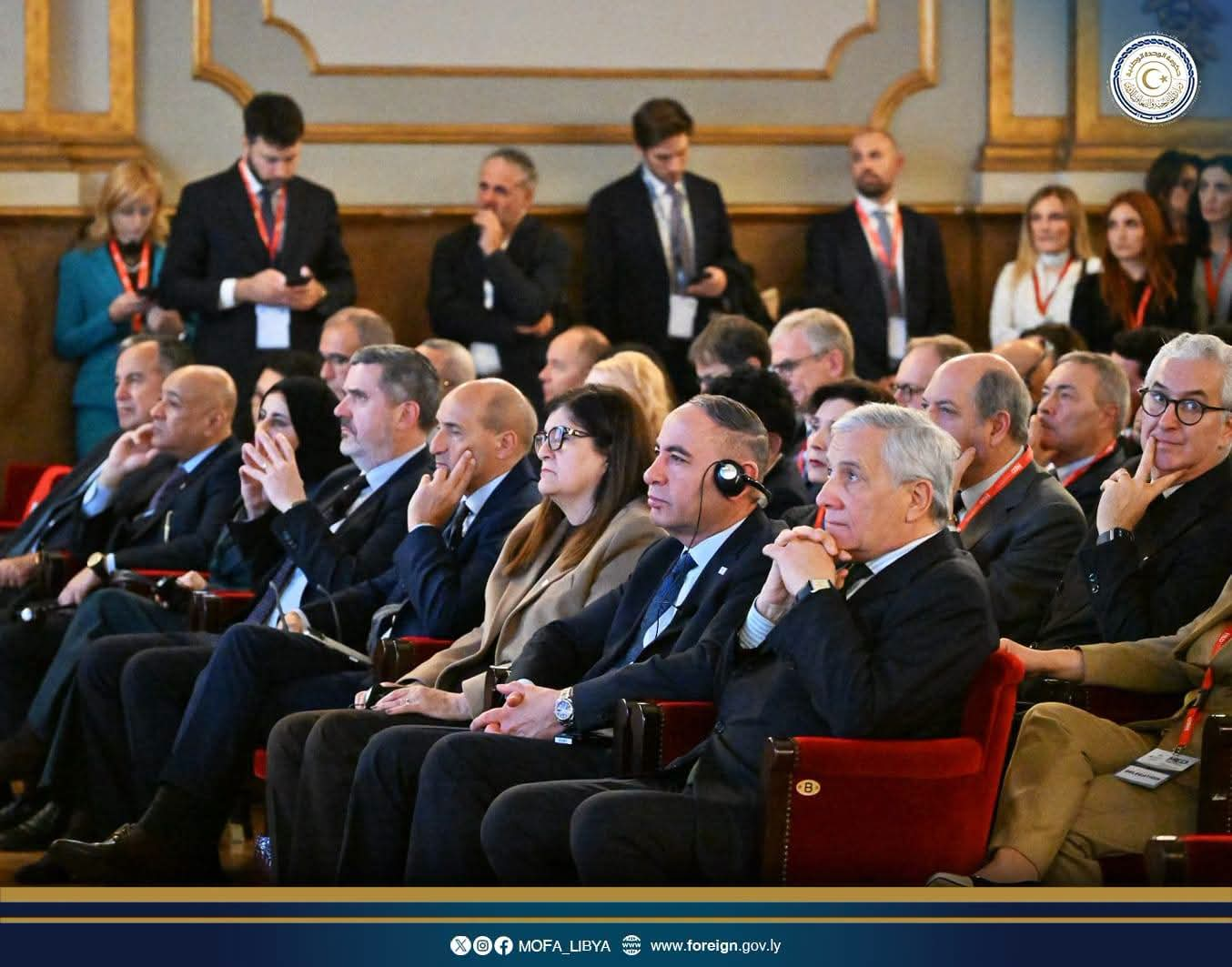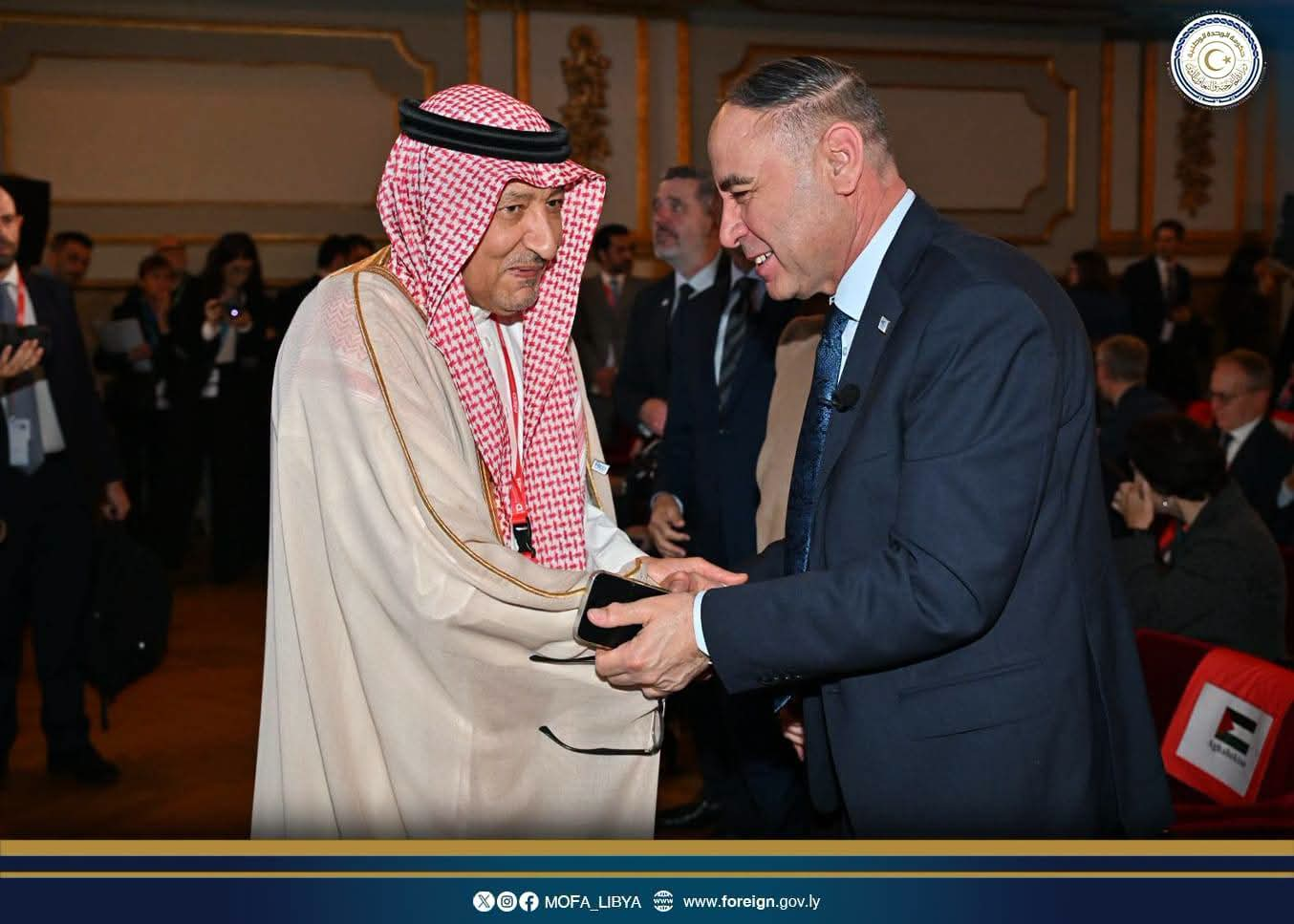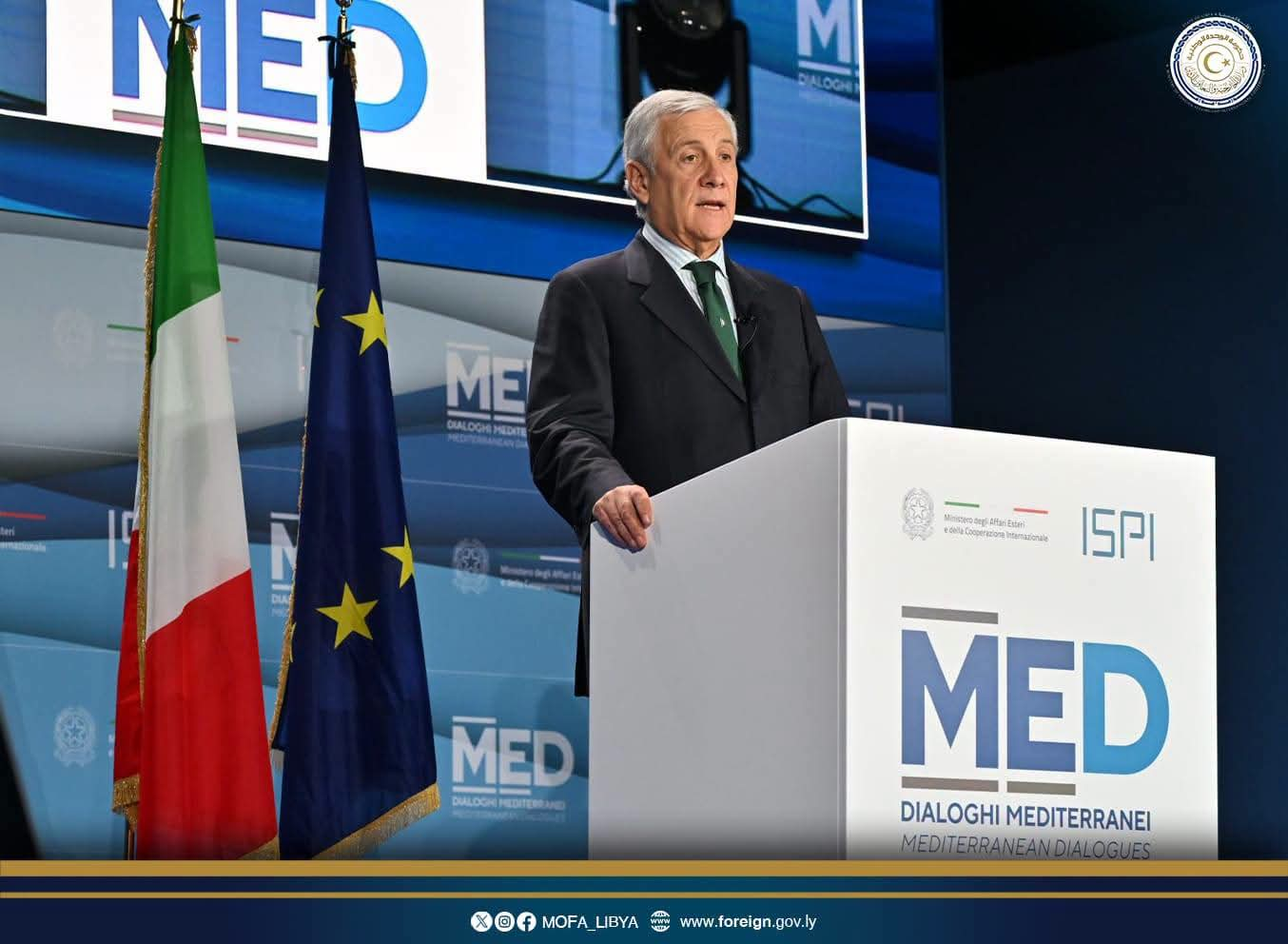
شارك معالي السيد الطاهر سالم الباعور، المكلف بتسيير شؤون وزارة الخارجية والتعاون الدولي، في أعمال النسخة الثانية عشرة من منتدى حوارات البحر الأبيض المتوسط (MED Dialogues 2026)، الذي تستضيفه مدينة نابولي الإيطالية خلال الفترة من 19 إلى 21 نوفمبر 2026.
ويأتي هذا المنتدى في إطار الحوارات الدولية الرامية إلى مناقشة القضايا السياسية والأمنية والاقتصادية التي تشهدها منطقة البحر الأبيض المتوسط، وتعزيز التشاور وتبادل وجهات النظر بشأن التحديات الإقليمية والدولية وآفاق التعاون بين دول المنطقة.
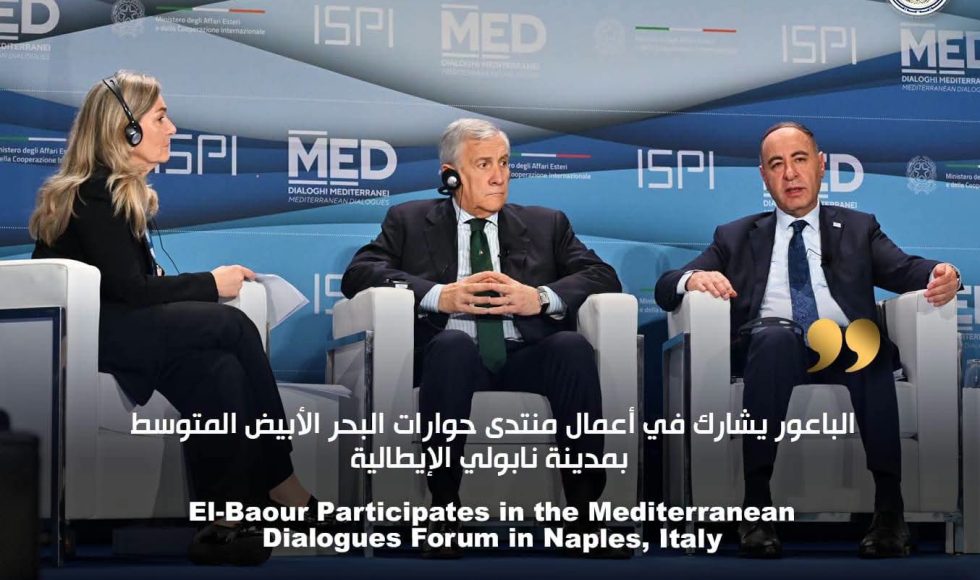
وشارك الباعور في جلسة نقاشية بعنوان (الأمن المشترك: بناء هيكل جديد للتعاون في منطقة البحر الأبيض المتوسط الأوسع)، إلى جانب عدد من وزراء الخارجية والمسؤولين الدوليين، من بينهم وزير الخارجية الإيطالي أنطونيو تاياني، ووزير الشؤون الخارجية والأوروبية المالطي كريس فيرن، والأمين العام لمجلس التعاون لدول الخليج العربية جاسم البديوي.
وفي مداخلته خلال الجلسة، أكد الباعور أهمية الموقع الاستراتيجي الذي تتمتع به ليبيا باعتبارها حلقة وصل بين ضفتي البحر الأبيض المتوسط وعمقها الأفريقي، وبوابة رئيسية للتواصل والتعاون بين أوروبا وأفريقيا، مشدداً على ضرورة الاستفادة من هذا الموقع في تعزيز الشراكات الاقتصادية والتجارية، وتطوير مشاريع الربط والبنية التحتية والاستثمار المشترك.
كما تطرق إلى ملف الهجرة غير النظامية، مؤكداً أن معالجته تتطلب مقاربة شاملة ومتوازنة تقوم على تعزيز التعاون والتنسيق بين دول المنشأ والعبور والمقصد، ومعالجة الأسباب الجذرية للهجرة، ودعم جهود التنمية والاستقرار في دول المصدر، إلى جانب تعزيز قدرات الدول المعنية في إدارة الحدود ومكافحة شبكات الاتجار بالبشر وتهريب المهاجرين، مع احترام حقوق الإنسان والقانون الدولي.
وأشار الباعور إلى أهمية ألا تتحمل دول العبور، وفي مقدمتها ليبيا، الأعباء والمسؤوليات بمفردها، مؤكداً ضرورة تعزيز التضامن الدولي وتقاسم المسؤوليات، وتكثيف الدعم الدولي لجهود ليبيا في مواجهة التحديات المرتبطة بهذا الملف.
وتتناول أعمال المنتدى مستقبل منطقة المتوسط، والعلاقة بين الأمن والاستقرار والمرونة الاقتصادية، إلى جانب ملفات الطاقة والبنية التحتية والممرات التجارية والاستثمار، وسبل تعزيز الشراكة الأورو-متوسطية.
H.E. Mr. El-Taher Salem El-Baour, Acting Minister of Foreign Affairs and International Cooperation, participated in the proceedings of the 12th edition of the Mediterranean Dialogues Forum (MED Dialogues 2026), hosted by the Italian city of Naples from 19 to 21 November 2026.
The forum is held within the framework of international dialogue aimed at discussing the political, security, and economic issues facing the Mediterranean region, while promoting consultation and the exchange of views on regional and international challenges and prospects for cooperation among the countries of the region.
El-Baour took part in a panel discussion entitled (Common Security: Building a New Architecture for Cooperation in the Wider Mediterranean) alongside a number of foreign ministers and international officials, including Italian Foreign Minister Antonio Tajani, Maltese Minister for Foreign and European Affairs Chris Fearne, and Secretary-General of the Gulf Cooperation Council Jasem Albudaiwi.
In his remarks during the session, El-Baour emphasized Libya’s strategic geographical position as a link between the two shores of the Mediterranean and its African hinterland, and as a key gateway for communication and cooperation between Europe and Africa. He stressed the importance of capitalizing on this strategic position to strengthen economic and trade partnerships and develop connectivity, infrastructure, and joint investment projects.
He also addressed the issue of irregular migration, emphasizing that addressing it requires a comprehensive and balanced approach based on strengthening cooperation and coordination among countries of origin, transit, and destination; tackling the root causes of migration; supporting development and stability efforts in countries of origin; and enhancing the capacities of concerned states in border management and combating human trafficking and migrant smuggling networks, while respecting human rights and international law.
El-Baour further stressed that transit countries, particularly Libya, should not bear the burdens and responsibilities of this issue alone, underscoring the need to strengthen international solidarity and responsibility-sharing, as well as intensify international support for Libya’s efforts to address the challenges associated with this issue.
The forum’s agenda addresses the future of the Mediterranean region and the relationship between security, stability, and economic resilience, in addition to energy, infrastructure, trade corridors, investment, and ways to strengthen the Euro-Mediterranean partnership.